Trying to decide between Fleming Island, Oakleaf, Orange Park, or something a little more rural in Middleburg or Keystone Heights? Picking the right neighborhood shapes your commute, weekend routine, and total monthly budget. You want a clear, local breakdown you can trust, without wasting hours cross‑checking details.
In this guide, you’ll compare Clay County’s main submarkets side by side, learn how CDD and HOA fees work, and get a simple process to narrow your list fast. You’ll also find links to official resources so you can verify commute options, school zoning, and major road projects. Let’s dive in.
Clay County at a glance
Clay County is growing and now totals about 236,760 residents as of mid‑2024, with a median household income of $86,094 and a mean commute of 32.5 minutes. These figures frame two big decisions: where your daily drive feels reasonable and which communities match your budget comfort zone. You can review these local benchmarks on the Census QuickFacts page for Clay County for context and updates. See Clay County QuickFacts.
Much of Clay County is suburban and car‑oriented. If you plan to commute into Jacksonville, NAS JAX, or other job centers, expect most drives to track close to the county average. Transit options exist, but routes and schedules vary by neighborhood. More on that below.
How the county is laid out
Clay County isn’t one single market. It’s a cluster of distinct areas that feel different on price, amenities, and density. The largest population centers include Fleming Island, Oakleaf Plantation, Orange Park, Lakeside, Green Cove Springs, Middleburg, and Keystone Heights. Treat each as its own submarket as you compare homes. For a sense of how these places fit together, review the county’s place list and populations on CityPopulation. Explore Clay County places.
Neighborhood snapshots
Below is a quick, practical profile of Clay County’s most-searched areas. Price notes reflect recent public snapshots and can shift month to month. Always verify live numbers with current MLS data before you write an offer.
Fleming Island
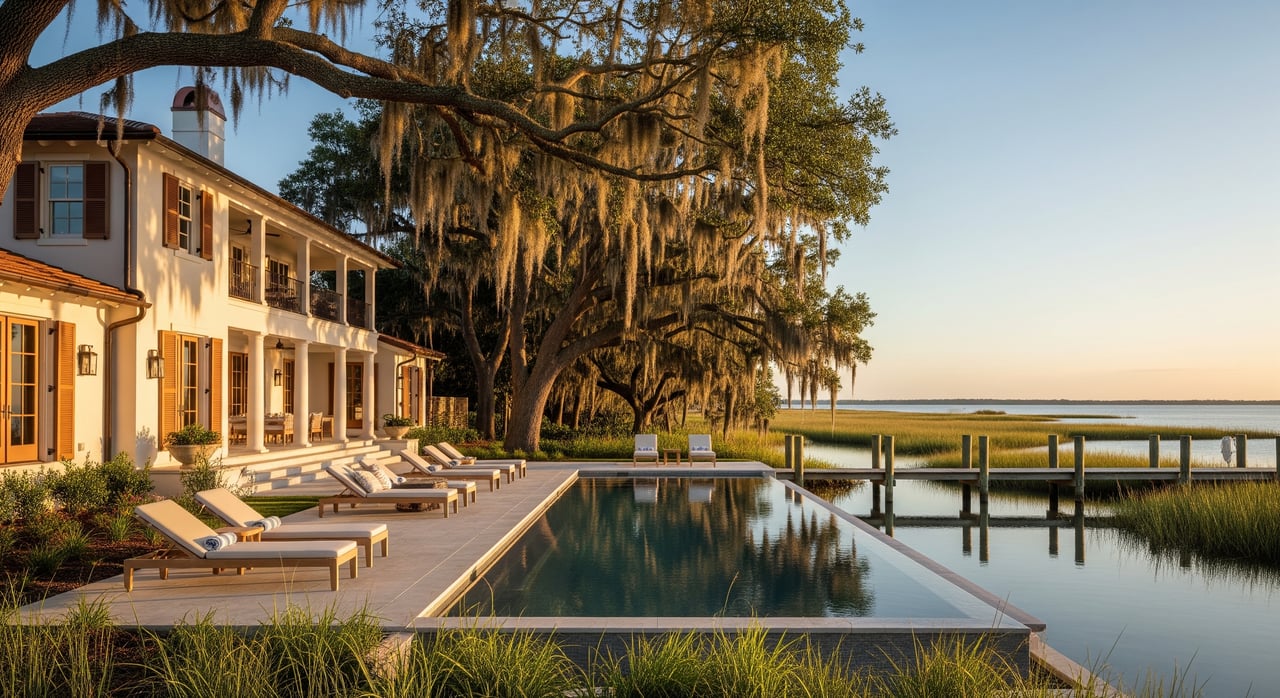
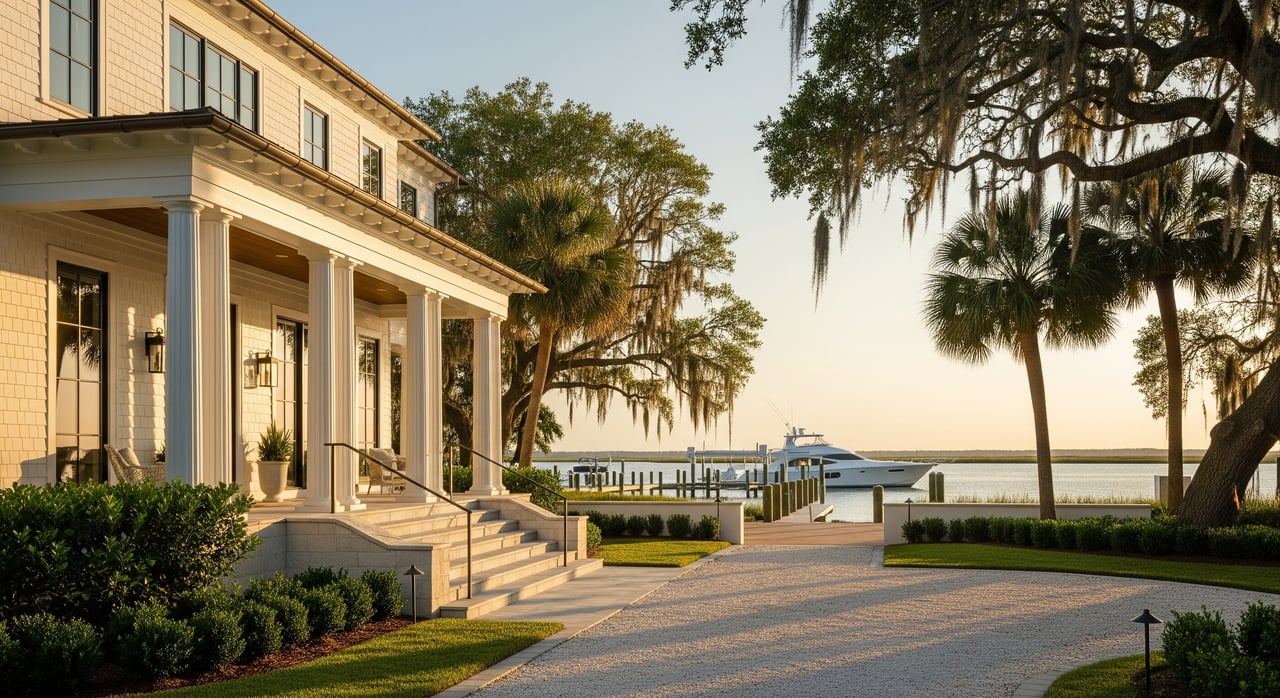
- Character: Amenity‑rich, master‑planned communities with golf, pools, and trails. Some pockets offer waterfront or private‑dock opportunities along Doctors Lake and the St. Johns.
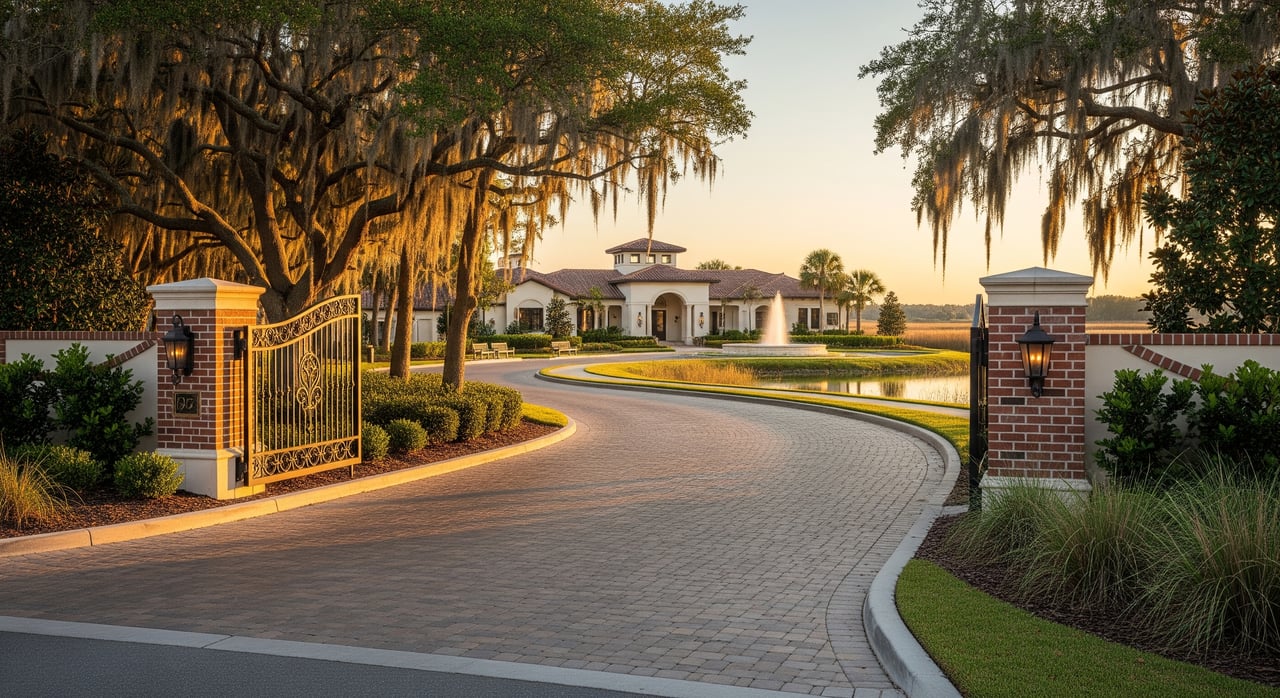
- Housing: Primarily newer single‑family homes, often larger floor plans, plus some townhomes and gated sections.
- Price snapshot: Recent reports show a higher median than the county average, with one January 2026 snapshot around $490,000. Live pricing varies by subdivision and waterfront status.
- Good fit if: You want established amenities, planned neighborhoods, and potential water access. Many subdivisions have HOAs and CDDs, so plan for those costs.
- Learn more: A local moving guide outlines everyday life, parks, and amenities. Read a Fleming Island overview.
Oakleaf Plantation
- Character: A large, newer planned community spanning the Clay–Duval line, with community centers, sports facilities, and water‑style amenities.
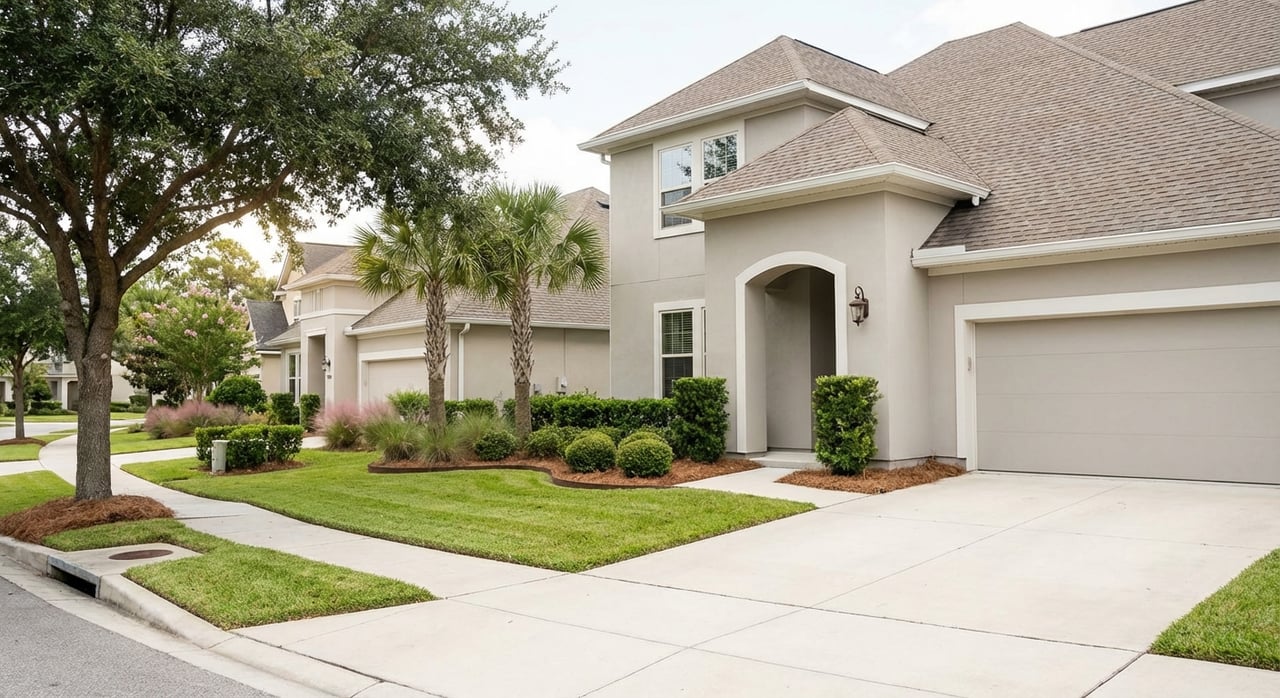
- Housing: Newer single‑family homes plus townhome sections. Developers remain active and resale options are steady.
- Price snapshot: Many neighborhoods trend in the low‑to‑mid $300Ks in recent snapshots, depending on age, size, and exact pocket.
- Good fit if: You want modern amenities and newer construction with quick access to shopping clusters.
Lakeside and nearby Asbury Lake
- Character: A mix of established neighborhoods and newer infill near Orange Park. It often appeals to buyers seeking lower‑turnover streets and proximity to retail on Blanding and Wells.
- Housing: Varied ages and styles, from older ranch homes to newer subdivisions.
- Price snapshot: Typically more moderate than amenity‑heavy planned communities, with wide variation by age and updates.
- Good fit if: You want established neighborhoods near Orange Park conveniences.
Orange Park
- Character: An older suburban hub adjacent to Jacksonville with mature neighborhoods and the county’s primary retail center, Orange Park Mall.
- Housing: Midcentury to newer homes with periodic infill and renovations.
- Price snapshot: Many market summaries place typical values in the low‑to‑mid $300Ks in recent months.
- Good fit if: You want traditional suburban streets and the convenience of major shopping nodes like the mall. See the Orange Park Mall location.
Green Cove Springs
- Character: The county seat with a small‑town downtown on the St. Johns River, a riverfront park, and a range from historic homes to golf‑course communities like Magnolia Point.
- Housing: Older homes near downtown plus newer subdivisions around town.
- Price snapshot: Many recent snapshots show median listing prices in the low‑to‑mid $300Ks.
- Good fit if: You want a quieter small‑city feel with river access and civic services nearby.
Middleburg
- Character: A rural‑suburban blend with some acreage and larger lots. Newer subdivisions mix with older properties.
- Housing: Good variety of lot sizes and ages. Often more price flexibility per square foot.
- Price snapshot: Recent snapshots commonly range from the mid $300Ks to $400Ks, with big swings for acreage and newer builds.
- Good fit if: You want more space and lower density, with a manageable drive into Jacksonville or Orange Park.
Keystone Heights
- Character: A smaller community surrounded by lakes and recreation. A slower pace draws buyers who prize outdoor time.
- Housing: From in‑town homes to lake‑area properties nearby.
- Price snapshot: Many summaries place typical listings in the mid $300Ks.
- Good fit if: You want lake access for weekends and do not mind a longer drive to major retail.
Note on pricing: Market numbers shift monthly. Treat figures above as current at the time of publication and verify with real‑time MLS data when you tour homes or write offers.
Commute and getting around
- Commute baseline: The county’s mean travel time is about 32.5 minutes. This is a helpful filter as you weigh daily drives into Jacksonville or NAS JAX. Check QuickFacts.
- Transit options: Jacksonville Transportation Authority operates regional services that include Clay Express Select with park‑and‑ride lots to downtown Jacksonville. If reducing daily driving matters to you, review routes and schedules for your target area. See JTA regional services.
- Road projects: The First Coast Expressway (SR‑23) is opening in phases and includes a new St. Johns River bridge. Expect shifting travel patterns, added interchanges, and short‑term construction near some neighborhoods over the late 2020s into the early 2030 window. Follow the First Coast Expressway project.
Daily shopping and recreation
- Shopping nodes: Orange Park Mall is the largest enclosed mall in the county and anchors a major retail corridor. Fleming Island and Oakleaf feature grocery and big‑box clusters such as Publix, Target, and home improvement stores. Map the mall area.
- Parks and water: Popular recreation spots include Moccasin Slough and Black Creek trails, plus Doctors Lake for boating. Keystone Heights is known for nearby lakes and weekend activities. A local guide gives a good flavor of what everyday life looks like. Explore area amenities and parks.
Waterfront and lake homes can carry price premiums and different maintenance or insurance needs. If you are considering docks or boat storage, factor in local permitting, riparian rights, and any community rules.
HOA vs CDD explained
Many Clay County planned communities use both an HOA and a Community Development District. Knowing how each one works protects your budget and avoids surprises.
- What a CDD is: A CDD is a special‑purpose local governmental entity authorized under Florida law that finances community infrastructure and levies assessments to repay bonds and fund operations. Learn more in the Florida Statutes, Chapter 190. Read Chapter 190.
- How it differs from an HOA: An HOA is a private association that enforces community standards and collects dues for amenities and maintenance covered by the association. A clear consumer summary is available here. CDD vs HOA overview.
- How fees show up: CDD assessments typically appear on your property tax bill as non‑ad valorem line items. HOA dues are billed separately on a monthly, quarterly, or annual schedule.
The bottom line: When a home has both an HOA and a CDD, you need to look at the combined annual cost and how long CDD debt service is scheduled to last.
Budget the right way
When you compare neighborhoods, measure total monthly cost, not just price per square foot.
- Mortgage and property taxes
- HOA dues and what they cover (amenities, reserves, landscape maintenance)
- CDD assessment converted to a monthly amount
- Homeowners and flood insurance (especially near waterways)
- Utilities, and for older homes, whether the property is on septic or sewer
Pro tip: If a listing shows a $1,800 annual CDD assessment, divide by 12 and add about $150 to your monthly comparison. Ask for the CDD’s current budget and bond maturity date, plus the HOA’s most recent budget and reserve info.
Steps to choose your neighborhood
Use this simple process to go from broad search to a confident short list.
Set your commute limit. Decide the longest daily drive you will tolerate. Use the county’s mean commute as a guidepost and test a few routes during rush hour.
List your must‑haves. Do you need neighborhood amenities, or would you rather have a larger lot and fewer rules? Do you value river or lake access on weekends? Rank these.
Build a true monthly budget. Price out mortgage, taxes, insurance, HOA dues, and the CDD monthly equivalent. Request the HOA’s current budget and any special assessments, and ask the CDD for its assessment schedule and bond payoff timeline.
Preview at different times. Visit your short‑list areas on a weekday morning and a Saturday afternoon. Check travel time to your preferred grocery and activities.
Check public projects. Review whether a nearby First Coast Expressway segment or interchange could change traffic patterns or boost access. Track the FCE project.
Verify school zoning. If schools factor into your decision, confirm the current attendance zone for the exact address with the Clay County School District. Zones can shift over time. Find Clay school information.
Request apples‑to‑apples comps. Have your agent pull recent sales from the same micro‑neighborhood and street type, not just the broader CDP.
Local guidance that puts you first
Choosing the right Clay County neighborhood is easier when you have a local advisor who knows the tradeoffs on the ground. From commute realities to HOA and CDD documents, we help you compare total monthly costs and make a confident choice. If you are relocating on a tight timeline or using VA financing, our team’s military relocation experience keeps your move organized and on track.
Ready to zero in on your best fit? Connect with the Kingsley Group of Jax for a custom neighborhood shortlist, current pricing, and on‑the‑ground tours.
FAQs
What is the average commute time in Clay County?
- The county’s mean travel time is about 32.5 minutes, which is a helpful baseline as you compare drives to Jacksonville or NAS JAX. You can confirm this on the Census QuickFacts page.
Are there public transit options for Clay County commuters?
- Yes. Jacksonville Transportation Authority operates regional commuter services, including Clay Express Select park‑and‑ride routes to downtown Jacksonville; always verify current schedules for your neighborhood.
How do CDD fees differ from HOA dues?
- CDD assessments are governmental and usually appear on your property tax bill, while HOA dues are billed by a private association; many planned communities have both, so add them together when comparing homes.
Will the First Coast Expressway change traffic near my home?
- The expressway is opening in phases, including a new St. Johns River bridge, which can reduce drive times long‑term while bringing short‑term construction and new interchange activity near some neighborhoods.
How can I verify the school zone for a specific address?
- Contact the Clay County School District and use its published resources to confirm current attendance zones for the exact address, since boundaries can change over time.